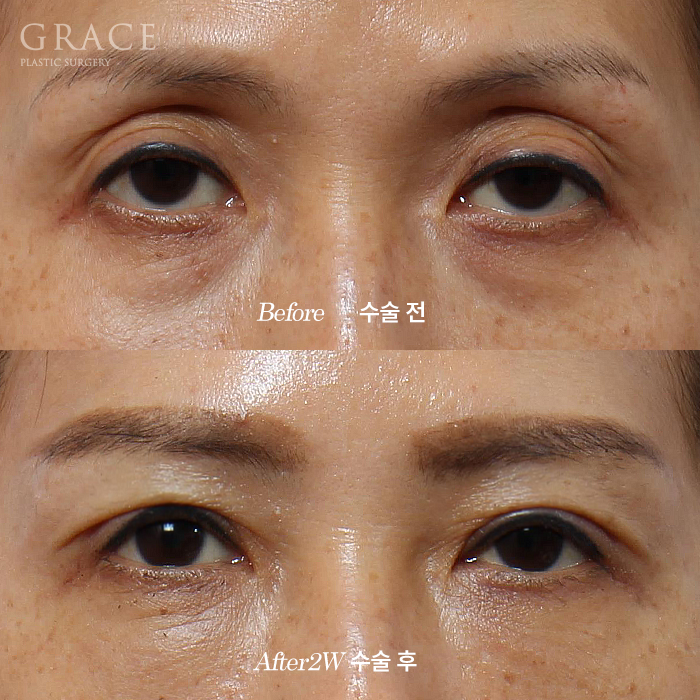
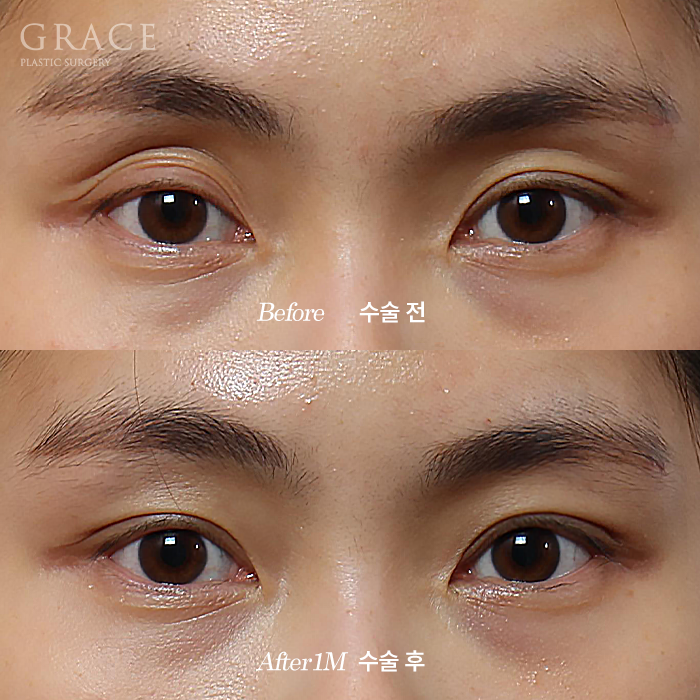
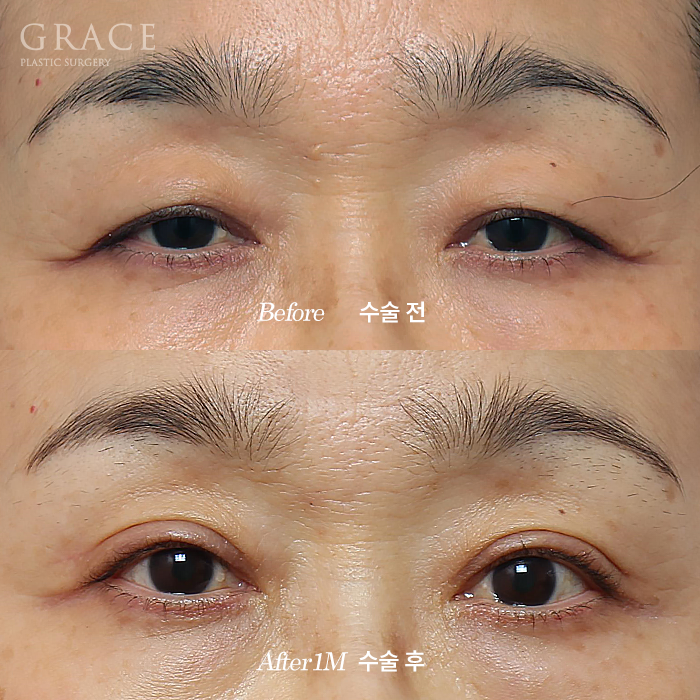
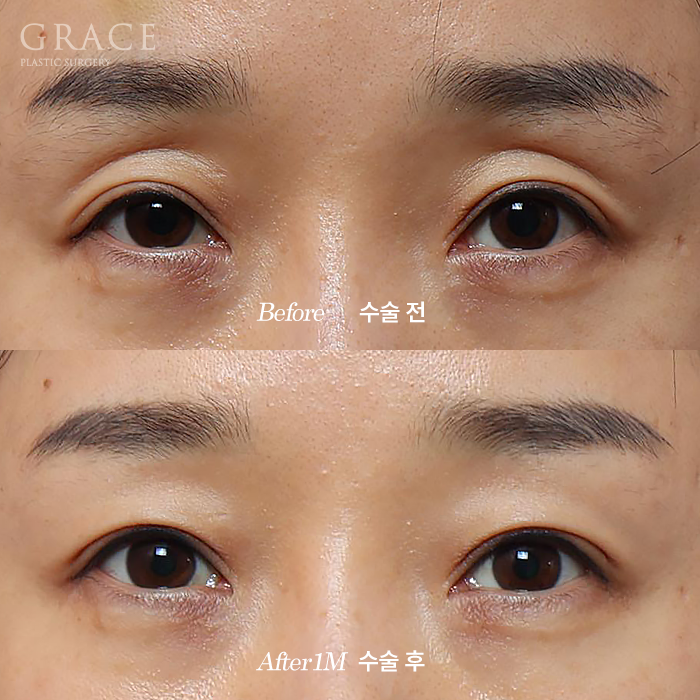
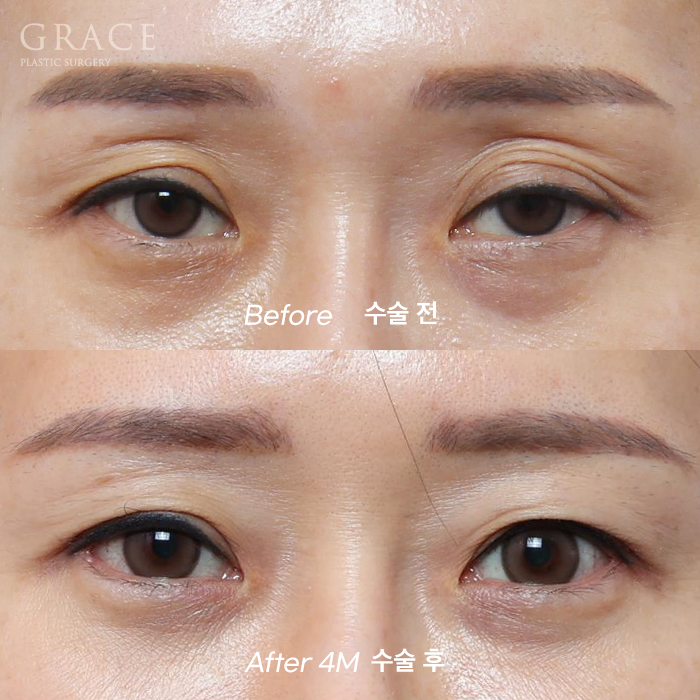
The key to revision eye surgery is accurate analysis of the cause
Revision surgery may be necessary if you were dissatisfied from the start after your initial eye surgery, if your satisfaction has decreased due to changes in shape over time, or if issues arose during the surgical process. The key to revision eye surgery is accurately analyzing the cause of the previous surgery's failure. At Grace Plastic Surgery, we meticulously identify the root cause of the problem through in-depth consultations, find the surgical method most suitable for your eye condition, and perform delicate corrections to create a natural and harmonious eye shape.
Within 30 minutes
Local Anesthesia
(Combined with Sedation)
2 sessions
1 session
1 week


In some cases, the line is set excessively high or unnecessary fat is not sufficiently removed, making the eyes look unnatural and heavy. After a detailed analysis of the cause, unnecessary fat is precisely removed and the height of the line is adjusted to re-form a natural and soft double eyelid line.

Asymmetry can occur when surgery is performed without sufficient consideration of the size or height of the eyeballs, or when the strength of the eye-opening muscles acts differently on each side. After a precise diagnosis of the cause, corrective surgery is performed to balance both eyes as much as possible by meticulously adjusting the thickness and line height of the double eyelids.

There are cases where the double eyelid shape is formed differently from what was desired because sufficient consultation or design coordination was not conducted in the previous surgery. Through thorough pre-operative consultation and simulation, the desired line is clearly established, and the double eyelid line is redesigned to be natural and harmonious, considering the eye structure and balance.

This occurs when the suturing process during surgery was incorrect or when scar tissue needs to be removed. It is corrected by incising the scarred area, elaborately removing the scar tissue, and then re-suturing.

This occurs when the double eyelid line forms in multiple layers due to excessive removal of eyelid fat or muscle. Volume is filled in the eyelid area or the line is fixed into a single fold.

Grace sets clear standards for diagnosis. We do not exaggerate results or recommend excessive procedures, and we suggest the right direction based on each patient's condition and needs.
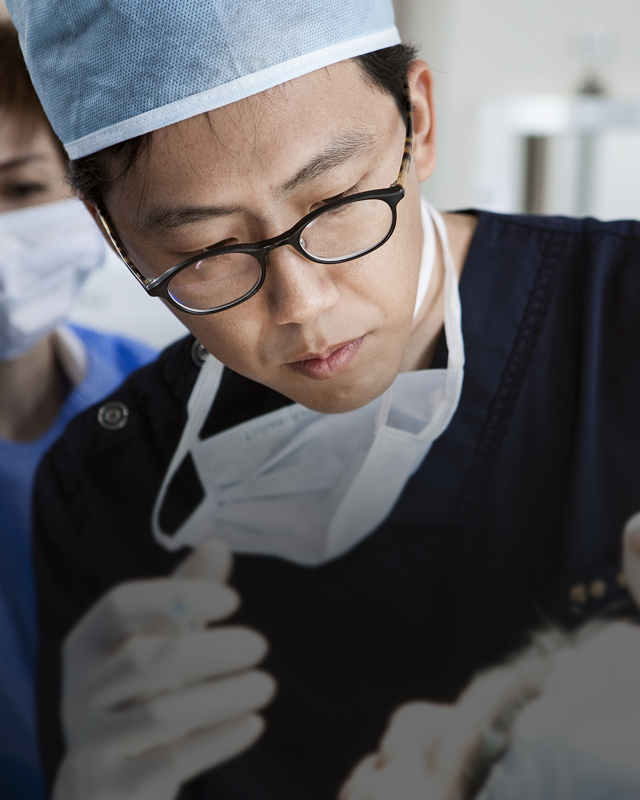
From consultation, design, surgery, to follow-up care, every step is handled solely by the head surgeon. Because the doctor and process remain the same, responsibility is never divided. The person you first spoke with stays with you until the end.

Through continuous research and academic presentations, we incorporate the latest findings into clinical practice. All procedures are performed based on verified evidence and accumulated experience, providing more refined and safe, unrivaled technical expertise.
While it is difficult to completely remove existing scars, Grace Plastic Surgery meticulously analyzes the size and location of the scars to perform the revision surgery carefully so that the existing scars do not become more prominent.
The most important factors are removing the scar tissue from the previous surgery and minimizing tissue damage during the new surgical process. It is safe to be operated on by a specialist who fully understands the structure of the eye and has extensive experience.
In general, revision surgery is recommended at least 6 months later, when the eye tissue has stabilized. However, depending on the case, early correction may be necessary before the initial scar hardens, based on the surgeon's judgment.
It varies depending on the extent of the incision and individual healing power, but generally, swelling and bruising last for about 2 weeks. Stitches are removed on the 7th day after surgery, and most recovery is complete after one month. However, it may take about 3 months for the residual swelling to subside completely.